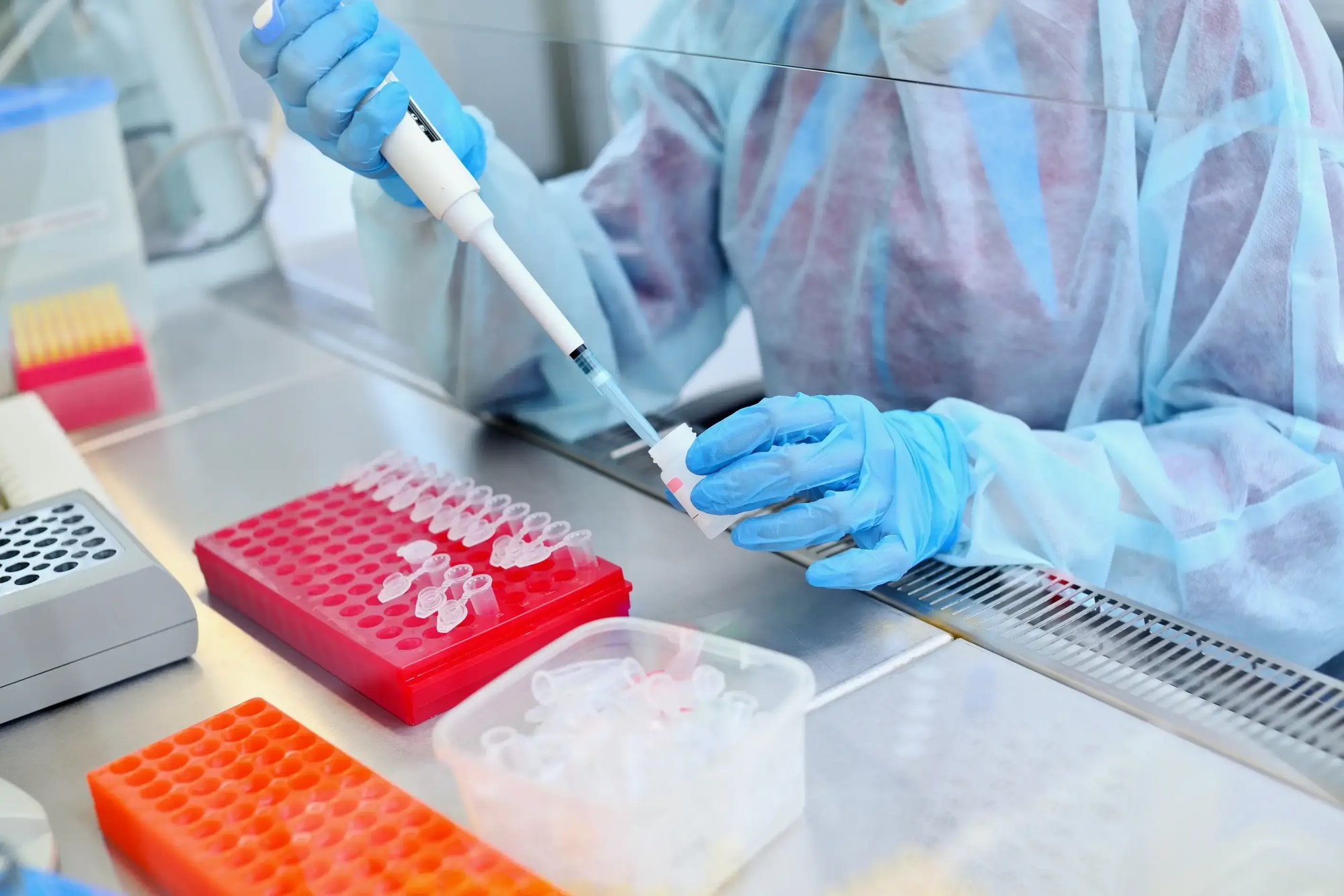
Skin Microbiome Research
The Cosmos-Hub platform delivers advanced metagenomic insights and bioinformatics processing to reveal the true diversity of skin microbes in every sample, helping you profile both common and rare commensal skin bacteria with unmatched accuracy.
Our end-to-end platform empowers labs and researchers to identify, quantify, and understand key microbial players shaping the skin’s ecosystem. This enables confident, data-driven decisions in skin microbiome studies. Whether you are investigating health, disease, or therapeutic interventions, Cosmos-Hub is built to accelerate your breakthroughs in skin microbiome research.
Why Skin Microbiome Research Matters
The human skin microbiome is a diverse ecosystem of microorganisms that resides on the surface of healthy human skin and within unique niches like hair follicles and sebaceous glands. Far from being passive passengers, these human skin commensal bacteria and other commensal microbes play a crucial role in maintaining skin health, supporting the skin barrier, and communicating with the cutaneous immune system to defend against skin disease and skin disorders.
Recent skin microbiome studies reveal that the skin microbial communities impact skin barrier function, modulate skin inflammation, and protect against infection by pathogens such as Staphylococcus aureus and Staphylococcus epidermidis. Commensal bacteria like S. epidermidis produce antimicrobial peptides, which limits S. aureus colonization and protects against pathogenic overgrowth.
Disruptions to the balance of skin microorganisms, whether due to antibiotic treatment, environmental factors, or underlying skin diseases like atopic dermatitis and acne vulgaris, can lead to bacterial skin infections and complicate wound healing.
Our Oral Microbiome Data Analysis Services
Harness the power of advanced oral microbiome analysis with our comprehensive bioinformatics pipelines . Analyze oral samples from buccal mucosa, saliva, dental plaque, tongue swabs, and gingival crevicular fluid directly from FASTQ files to profile the interventional changes in bacterial communities. Bioinformatics capabilities include:
Long-read and Short-read Amplicon sequencing (16S rRNA)
Shotgun Metagenomics for strain-and-species-level analysis, facilitating identification of pathogenic microorganisms associated with oral disease
Long-read and short-read ITS sequencing to assess fungal diversity within oral microbial communities
Metabolomics integration, combining microbiome and metabolic data for a holistic view of human health and systemic health
Skin Microbiome Study Areas Enabled by Cosmos-Hub
Cosmos-Hub’s advanced microbiome analytics platform unlocks in-depth exploration of microbial communities across a vast range of skin microbiome research applications. Some areas enabled by the platform include:
Atopic Dermatitis & Inflammatory Skin Diseases
- Investigation of skin microbiota composition in healthy skin versus atopic dermatitis or other skin diseasesStrain-level S. aureus tracking with StrainQ™ to differentiate endogenous vs. intervention-derived clonesCorrelation of microbiome diversity with disease severity and lesional status
- Functional profiling revealing metabolic shifts contributing to AD pathogenesis
- Psoriasis & Chronic Dermatological ConditionsStudies of Staphylococcus aureus colonization and biofilm formation as they relate to chronic dermatological conditionsPhageome analysis identifying Staphylococcus-related bacteriophages in affected vs. unaffected skinFunctional gene profiling (vitamin B12 production, antimicrobial peptide synthesis)
- Acne Vulgaris & Sebaceous DisordersMulti-omics characterization of facial skin microbiome shifts during puberty
- Cutibacterium acnes (formerly Propionibacterium acnes) strain differentiation using Single Locus Sequence Typing (SLST)
- Integration of bacterial, fungal, and functional metagenome data for mechanistic insights
- Skin Barrier Function & Immune ModulationComparative analysis of skin barrier and immune system function in skin disorders and in the context of antibiotic treatment
- Understanding complex interactions between commensal microbes and skin bacteria in connection to skin inflammation and wound healing
- Analysis of antimicrobial peptides, their regulation, and efficacy within the human body, and their impact on skin health
Topical Therapeutic Development
- Pre/probiotic skincare efficacy validation through multi-omics integration
- Probiotic strain engraftment tracking and persistence monitoring with StrainQ™
- Correlation of microbiome modulation with clinical endpoints (hydration, inflammation markers)
Sample-Agnostic Profiling
- Profiling the skin metagenome from a wide range of sample types, including swabs from skin surface, hair follicles, and sebaceous glands, to reveal the diversity of skin microorganisms
- Low-biomass sample optimization leveraging CHAMP's superior sensitivity at shallow sequencing depths
Sample Types in Skin Microbiome Research
Cosmos-Hub supports diverse sample types relevant to skin microbiome research, enabling robust investigation across:
-
Skin Surface Swabs
-
Swabs of skin surface to study skin microbial communities specific to different anatomic locations
-
Optimized DNA extraction protocols for low-biomass, high-host DNA samples
-
Compatible with standard swab collection kits and stabilization buffers.
-
-
Hair Follicles & Sebaceous Glands
-
Analysis from hair follicles and sebaceous glands to understand deeper skin microbiota composition and the role of commensal bacteria in oily or acne-prone regions
-
-
Comparative Healthy vs. Diseased Skin
- Comparative profiling between healthy human skin and diseased or inflamed skin to identify microbial signatures associated with skin disorders such as acne vulgaris, atopic dermatitis, and wound healing outcomes
- Lesional vs. non-lesional comparisons within same individuals (paired analysis)
-
Infant & Pediatric Skin
- Specialized protocols for infant skin swabs supporting early-life microbiome development studies
- Diaper dermatitis, atopic dermatitis onset, and rare disease investigations
-
Wound & Chronic Ulcer Samples
-
Polymicrobial biofilm characterization in chronic wounds
-
Pathogen detection and antimicrobial resistance profiling
-
Cosmos-Hub Features & Tools For Skin Microbiome Analysis
Cosmos-Hub delivers a comprehensive suite of tools and cloud-based solutions that streamline every phase of skin microbiome profiling and analysis. Each feature is designed specifically for the challenges of microbiome research, from raw data acquisition via 16S rRNA sequencing to detailed taxonomic and functional annotation of human skin microbiota.
Platform Tools and Applications
|
Tool/Feature |
Role in Microbiome Profiling & Analysis |
|
CHAMP™ Human Microbiome Profiler |
Sensitive, high-resolution taxonomic and functional profiling for human microbiome datasets. Benchmarking demonstrates 16% greater sensitivity and 400× lower false positives vs. competitors. Specifically optimized for low-biomass skin samples. |
|
Statistics Toolbox |
Create virtual cohorts from categorical/continuous metadata (lesional vs. non-lesional, acne vs. healthy), run custom analyses, and conduct meta-analysis across studies with just a few clicks. |
|
RITA (AI Assistant) |
An AI-powered co-pilot that answers complex questions about microbiome data, reveals scientific insights, and assists with study design and manuscript prep. Ask RITA about skin-specific organisms like "What is known about C. acnes phylotypes in acne pathogenesis?" |
|
EMU |
Long-read amplicon profiling pipeline for marker genes analysis (e.g., 16S, 18S, ITS) for accurate microbial diversity assessment. Full-length 16S achieves species-level resolution critical for skin microbiome studies. |
|
Cosmos-Hub Atlas |
Curated global database with 30,000+ public microbiome datasets, enabling comparison, meta-analysis, and new in silico research without sample collection. |
|
Study & Data Management |
Integrated dashboard links raw data, metadata, and results; supports team collaboration, data sharing, secure AWS-based storage, and seamless project continuity. |
The Cosmos-Hub dashboard connects all project components in one secure, cloud-enabled workspace, supporting research teams as they analyze large, complex microbiome datasets from skin microbiome studies. With security and team-based access at its core, Cosmos-Hub empowers researchers to focus on discovery and translational outcomes in skin health, from bioinformatic analysis to study publication.
Cosmos-Hub leverages the world's largest curated sets of reference skin microbiome data—empowering dermatology, immunology, pharmaceutical, and academic researchers to benchmark, validate, and expand knowledge of human skin commensal bacteria, microbial communities, and their role in skin barrier function, immunity, and disease..
Publications and Success Stories
-
Case Study 1: Atopic Dermatitis Strain-Level Profiling with StrainQ™
-
Study: "Shifts in Infant Skin Microbiome at 2 Months after Short-Term Emollient Use from Birth Are Associated with Reduced Prevalence of Atopic Dermatitis at 12 Months in a High-Risk Cohort"
-
Researchers: Stamatas GN, Insel R, Sørensen N, Palleja A, Moll JM, Oddos T, et al.
-
Platform Used: shotgun metagenomics with Cosmos-Hub + StrainQ™
-
Key Findings:
-
Cosmos-Hub's StrainQ™ enabled precise tracking of Staphylococcus aureus strains in lesional vs. non-lesional atopic dermatitis (AD) skin
-
Shotgun metagenomics revealed clonal-level resolution differentiating endogenous vs. intervention-derived strains
-
Early emollient intervention shifted skin microbiome composition, reducing AD prevalence at 12 months
-
-
Clinical Impact: Demonstrated how strain-level tracking informs therapeutic development and validates mechanism of action for topical interventions in pediatric dermatology.
-
-
Case Study 2: Psoriasis Microbiome Analysis with CHAMP™
-
Study: "Whole-Genome Shotgun Metagenomic Sequencing Reveals Shifts in the Skin Microbiome and Bacteriophages of Psoriasis: An Extended Analysis"
-
Published: Journal of Psoriasis and Psoriatic Arthritis (2024)
-
Researchers: SUNY Downstate Medical Center, UC Davis Dermatology, CosmosID
-
Platform Used: Cosmos-Hub with Kepler profiling
-
Key Findings:
-
Kepler provided strain and sub-strain level taxonomic resolution impossible with rRNA-based approaches
-
Psoriatic plaques showed decreased alpha diversity and increased Staphylococcus and Corynebacteria abundance
-
Distinguished Malassezia species (M. restricta) significantly enriched in healthy vs. psoriatic elbow skin
-
Functional profiling revealed absence of vitamin B12 production genes in psoriatic plaques vs. healthy samples
-
Phage analysis detected greater diversity of Staphylococcus-related phages in unaffected skin
-
-
Clinical Impact: Strain-specific insights enable tailored psoriasis treatment strategies based on individual microbiome signatures.
-
-
Case Study 3: Pre/Probiotic Skincare Efficacy with Multi-Omics Integration
-
Study: "Deciphering the Impact of Pre/Probiotic Skincare Products on Skin Health"
-
Study Design: Randomized clinical trial with 53 female participants (dry to extremely dry skin)
-
Methods: 16S rRNA sequencing for taxonomic profiling; Metabolomics analysis for skin metabolome shifts; Clinical measurements (hydration, TEWL)
-
Key Findings:
-
Triple-biotic formulations (prebiotics + probiotics + postbiotics) significantly improved skin barrier function
-
Skin hydration increased while transepidermal water loss (TEWL) decreased
-
Microbiome shifts correlated with metabolome changes supporting skin health
-
Multi-omic integration revealed mechanism of action for topical microbiome modulators
-
-
Clinical Impact: Validated microbiome-based skincare efficacy through integrated omics approach, supporting regulatory submissions and product claims.
-
Ready to Transform Your Oral Microbiome Research?
Join the forefront of oral health research with Cosmos-Hub. Our platform's unique capabilities and user-friendly design make it the ideal choice for researchers aiming to unlock new insights without needing specialized bioinformatics resources.
Book a Demo today to see Cosmos-Hub in action and propel your research forward.
All of Your Microbiome Studies. One Easy Platform.
Microbiome Profiling
Industry-leading bioinformatics pipelines thhat let you analyze different types of sequencing data for multiple applications.
Popular Features
Import fastq's directly via UI or CLIAnalysis of 16S, ITS & Shotgun data
Short & long-read compatibility
Statistical Analysis
Comparative analysis workflows that leverage your study metadata to create virtual cohorts and analyze them with the latest statistical tools and visualizations.
Popular Features
Interactive charts & visualizationsUnivariate statistics like LeFSe, Wlicoxon Rank-Sum & PERMANOVA
Multivariate statistics like MaAsLin2 & MaAsLin3
Study Management
A study dashboards that provides integrated storage of raw data, profiling data, and study metadata for secure and easy access.
Popular Features
Easy-to-navigate dashboardUpload and edit metadata directly
Single-sample reporting & visualization
Cosmos-Hub Atlas
A curated database of over 40,000 microbiome samples, with metadata, that users can compare their samples against.
Popular Features
Standardized profilingsCurated metadata
Results shared in 2-3 days
AI Co-Pilot
Cosmos-Hub's AI Co-Pilot, RITAi, supports the interpretation of results generated in the software by allowing researchers to make queries like when using their favorite GPT.
Popular Features
Publication insights with complete referencesSpecies Wizard
Support on how to use the Hub
Metabolomics Module (Coming Soon)
Cosmos-Hub is going multi-omics! In 2025, users will be able to import metabolomics data from any provider and conduct their analysis.
Popular Features
Support for targeted and untargeted metabolomicsAdditional statistics and visualizations
Multi-Omics Support
Start Your Human Microbiome Research Today
Unlock the power of high-resolution microbiome analysis with Cosmos-Hub.