No‑Code Platform
Analyze sample food and environmental samples—using both sequencing and sensor data—from the food systems lab to large processing environments, without bioinformatics expertise.

Unlock rapid detection of spoilage microorganisms and pathogens with Cosmos-Hub’s microbiome platform, advancing quality and compliance for the food and beverage industries. This innovative platform empowers teams to improve food quality, extend shelf life, and meet regulatory requirements across the supply chain by combining traditional metagenomics with new technologies such as smart food sensors and printed food sensors.
The microbiome of food products shapes safety, spoilage, and sensory quality and can be profiled from raw materials through the production process using 16S/ITS and shotgun metagenomics for early detection and precision risk management.
Alongside, molecular testing enhances real-time pathogen detection and on-site monitoring, making rapid detection of contaminants like E. coli O157:H7 or Listerial monocytogenes more accessible than ever.
Food spoilage drives significant waste globally, and a combined approach using metagenomics and leading-edge sensors supports early intervention, reducing spoilage incidents and protecting brand integrity.
.
Analyze sample food and environmental samples—using both sequencing and sensor data—from the food systems lab to large processing environments, without bioinformatics expertise.

End‑to‑end profiling, statistics, storage, and AI insights to inspect food quality, accelerate pathogen detection, and monitor bacterial contamination across lots and sites.

AI‑assisted interpretation with scientific literature referencing, supporting food sensor results and guiding actionable food safety trends.
Benchmark against 40,000+ reference microbiomes from field data, sensors, and sequencing, for comparative meta‑analysis across supply chain checkpoints and product lines.
AWS-based foundation with secure team sharing and MFA for compliant, real-time collaboration across manufacturing processes.

Comprehensive profiling integrating 16S, shotgun metagenomics, ITS, and metabolomics—paired with smart sensor data—for more robust spoilage microorganism and bacterial contamination insights.
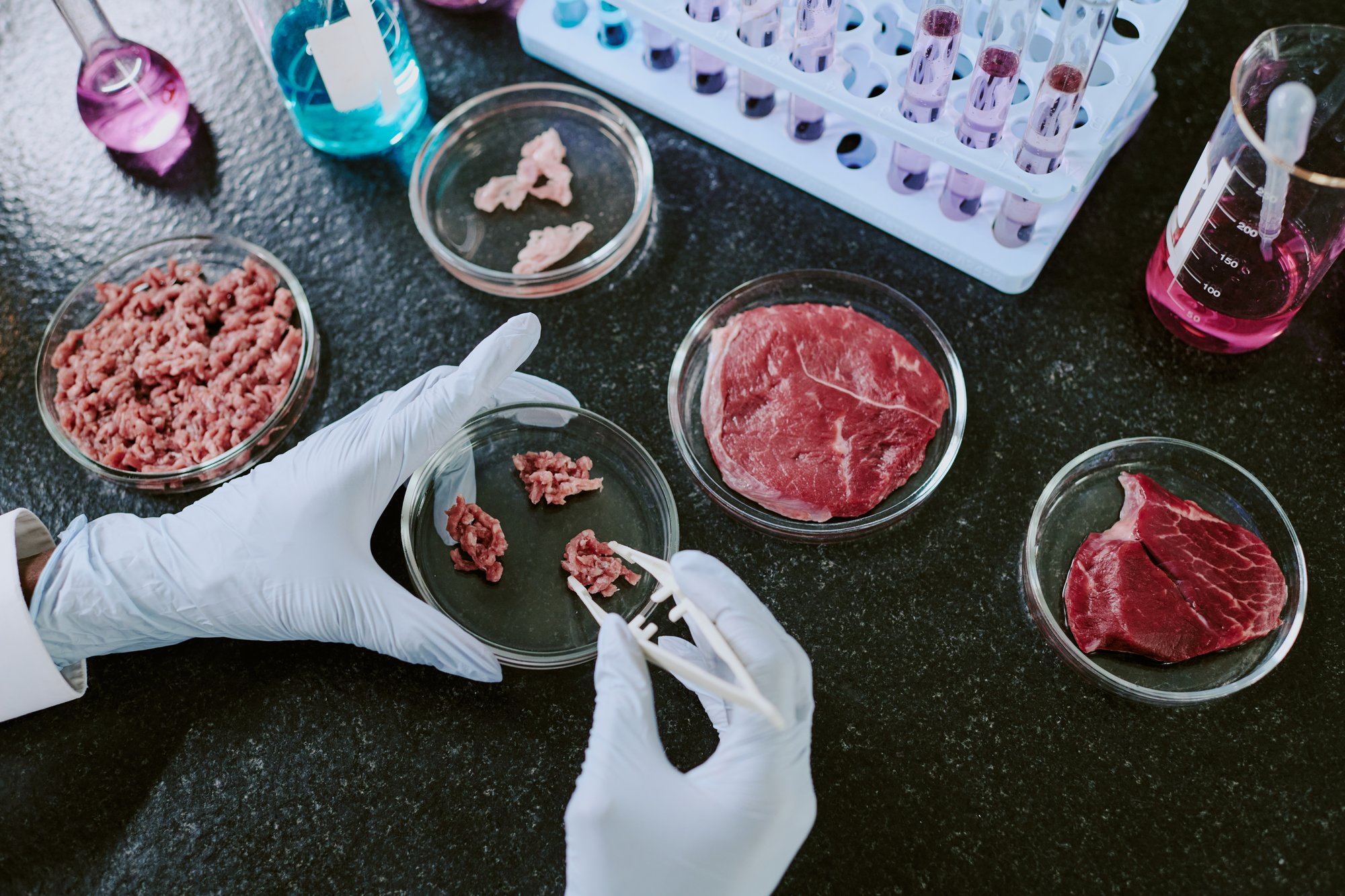
Accurate detection of spoilage organisms, pathogens, and beneficial microbes.
Customizable workflows for shelf life studies, hygiene monitoring, and regulatory compliance.
Comparative analytics to benchmark microbial profiles across product lots or monitor microbiome changes over time within the same product lot.
Integration with Cosmos-Hub’s AMR/VF detection for comprehensive safety analysis of antimicrobial resistance and virulence factors.
Kepler™ enables aquatic system managers to uncover subtle microbial trends and actionable shifts, even in complex, low-biomass marine environments.
Cosmos-Hub offers Kepler™ in combination with a host-agnostic functional pipeline, Functional 2.0, which interrogates shotgun metagenomic and metatranscriptomic data to understand metabolic and biochemical potential by annotating translated reads with numerous functional databases:
Our amplicon sequencing workflows provide high-resolution taxonomic profiling of microbial communities using targeted regions—16S rRNA for bacteria and archaea, and ITS for fungi.
The short-read 16S pipeline utilizes the DADA2 algorithm for denoising and ASV inference, ensuring genus resolution of bacterial taxa. Taxonomy is assigned using the SILVA database, and community-level functional potential via Metacyc Pathways and Enzyme Commissions is inferred with PICRUSt2.
The short-read ITS pipeline is optimized for fungal community profiling, leveraging the QIIME framework along with the UNITE database for closed-reference OTU picking. It processes reads through trimming and merging, outputting tables of OTU IDs, frequencies, and relative abundances.
Industry-leading bioinformatics pipelines thhat let you analyze different types of sequencing data for multiple applications.
Comparative analysis workflows that leverage your study metadata to create virtual cohorts and analyze them with the latest statistical tools and visualizations.
A study dashboards that provides integrated storage of raw data, profiling data, and study metadata for secure and easy access.
A curated database of over 40,000 microbiome samples, with metadata, that users can compare their samples against.
Cosmos-Hub's AI Co-Pilot, RITAi, supports the interpretation of results generated in the software by allowing researchers to make queries like when using their favorite GPT.
Cosmos-Hub is going multi-omics! In 2025, users will be able to import metabolomics data from any provider and conduct their analysis.
Yes. Cosmos-Hub’s algorithms allow detection of microbes present at very low abundances using shotgun sequencing data.
No. The Hub accepts raw FASTQ files and processes them through an automated pipeline with minimal user input.
Yes. Data and reports can be exported to be included as supplementary data for any QA or regulatory data. Please note that limits of detection apply for metagenomics, relative to culture methods.