No-Code Platform
Democratizes microbiome analysis for all researchers.
Discover how Cosmos-Hub empowers you to assess environmental quality and productivity through cutting-edge microbiome analysis. Our platform provides comprehensive insights into soil, water, and air microbiomes, crucial for understanding microbial communities and their impact on ecosystems.
Experience the power of Cosmos-Hub as you advance your environmental microbiome research with a platform designed to make sophisticated microbial community composition analysis effortless and insightful.
Whether you need to measure microbial diversity, map relative abundance, or assess soil microbial activity across diverse microbial communities, Cosmos-Hub automates complex data analysis so you can focus on discovery.
Benefit from comprehensive service offerings, including end-to-end DNA extraction, sequencing, advanced meta-analysis, and AI-powered data interpretation. With this data, you can track soil microbiomes, detect changes in nutrient availability, assess biotic and abiotic stresses, and optimize plant growth, soil carbon storage, and restoration efforts. Comparative studies let you evaluate microbial community structures across thousands of samples and understand how intrinsic and extrinsic factors affect ecosystem resilience and human health.
With Cosmos-Hub’s intuitive interface and secure environment, you streamline every step of your environmental microbiome projects, from initial soil surface sampling to the analysis of beneficial microorganisms. You receive actionable insights for decision-making, helping you lead in sustainability, conservation, and breakthroughs in agriculture, water management, and climate response.
Democratizes microbiome analysis for all researchers.
End-to-end profiling, statistics, and AI interpretation.
AI-powered data interpretation with scientific referencing.
Access 40,000+ samples for comparative meta-analysis.
AWS-based solution with secure team sharing and MFA.

Handles short- and long-read data, 16S, shotgun metagenomics, ITS, and metabolomics.
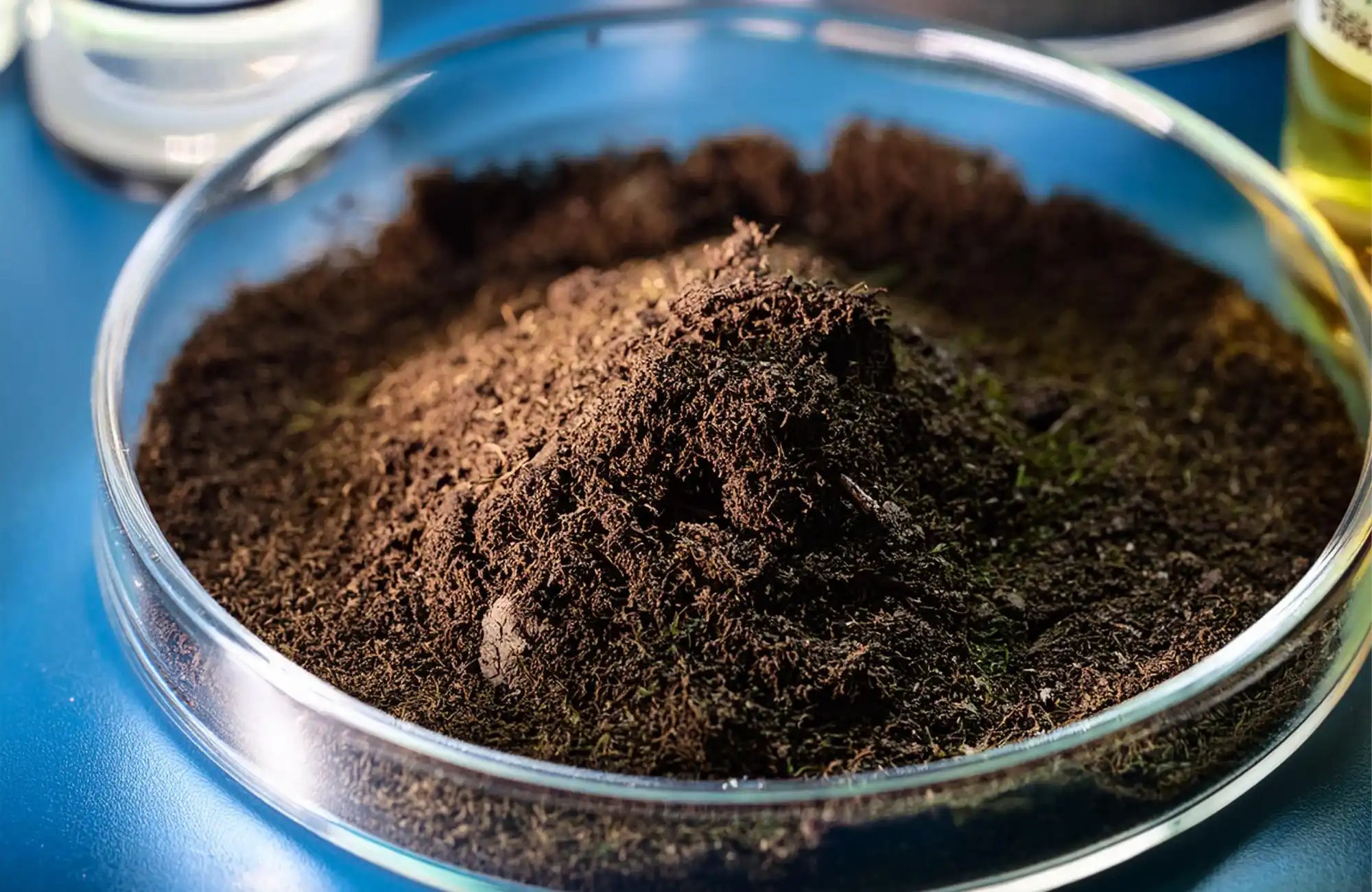
Microbes in soil and water are foundational to both agricultural productivity and environmental sustainability. Healthy soil microbiomes enrich crop yields and biodiversity, while clean water ensures the health of aquatic life and the broader ecosystem.
CosmosID-Hub facilitates the integration of microbial insights from these resources, enabling better management and conservation practices. By understanding and improving the microbial health of soil and water, researchers can significantly impact food security, water quality, and ecological diversity.
Cosmos-Hub’s advanced tools provide crucial insights into the microbiomes of both soil and water. This analysis is essential for:
Quick and accurate processing of sequencing data to uncover bacterial and fungal profiles from samples.
Advanced statistics tools like MaAsLin for longitudinal and complex study data.
KEPLER's host-agnostic profiling makes it ideal for studying microbiomes across diverse soil and water types species.
Industry-leading bioinformatics pipelines thhat let you analyze different types of sequencing data for multiple applications.
Comparative analysis workflows that leverage your study metadata to create virtual cohorts and analyze them with the latest statistical tools and visualizations.
A study dashboards that provides integrated storage of raw data, profiling data, and study metadata for secure and easy access.
A curated database of over 40,000 microbiome samples, with metadata, that users can compare their samples against.
Cosmos-Hub's AI Co-Pilot, RITAi, supports the interpretation of results generated in the software by allowing researchers to make queries like when using their favorite GPT.
Cosmos-Hub is going multi-omics! In 2025, users will be able to import metabolomics data from any provider and conduct their analysis.
Unlock the power of high-resolution microbiome analysis with Cosmos-Hub.
Soil microbial diversity plays a central role in microbiome research because it influences soil quality, soil carbon storage, and overall ecosystem functioning. By studying how different microbial communities interact, researchers can better understand the microbial community response to environmental change and identify beneficial microbes that support sustainable agriculture.
Soil biodiversity drives critical ecosystem functioning processes such as nutrient cycling, soil formation, and organic matter decomposition. When soil analyses reveal high microbial richness, it often correlates with improved soil quality, healthier soil microbiota, and enhanced capacity to support crop growth.
Yes, microbiome research helps draw connections between the soil microbiome and the human microbiome, including the gut microbiome. Healthy soils rich in beneficial microbes influence food quality and nutrition, which in turn affect human health and broader ecosystem functioning across a global scale.